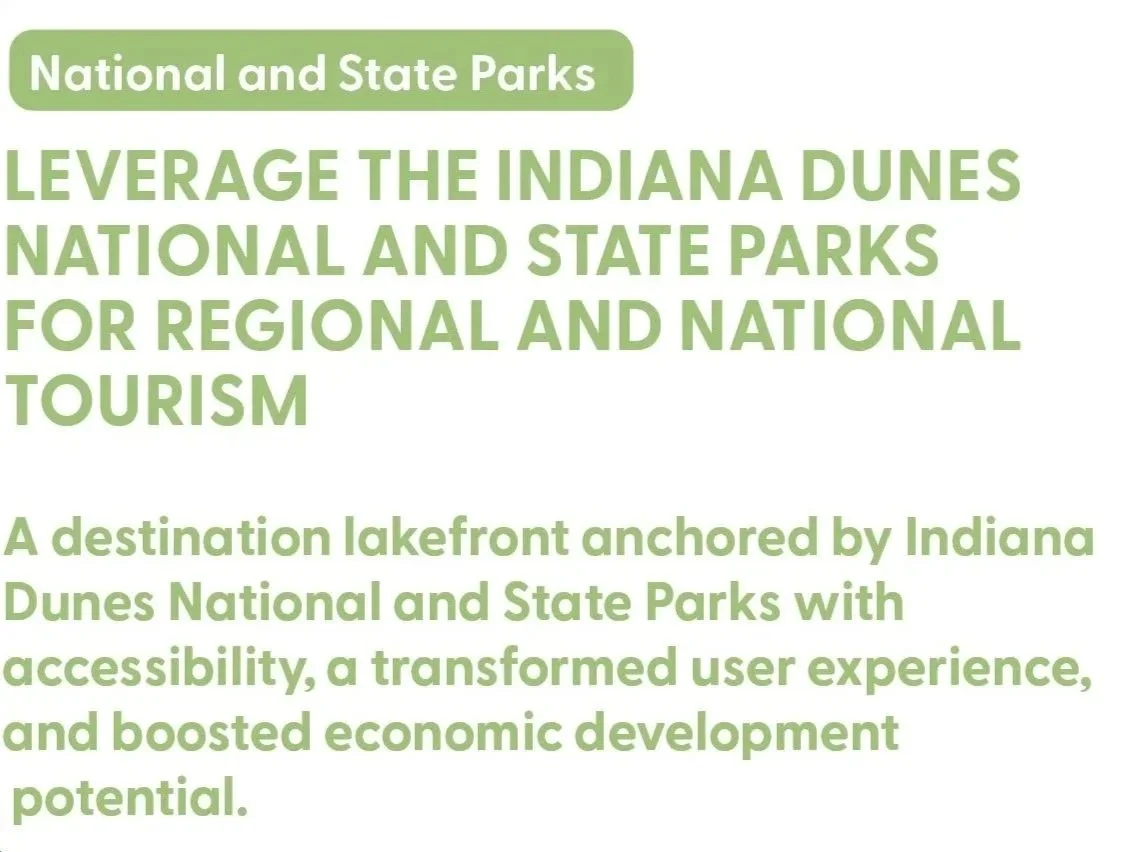
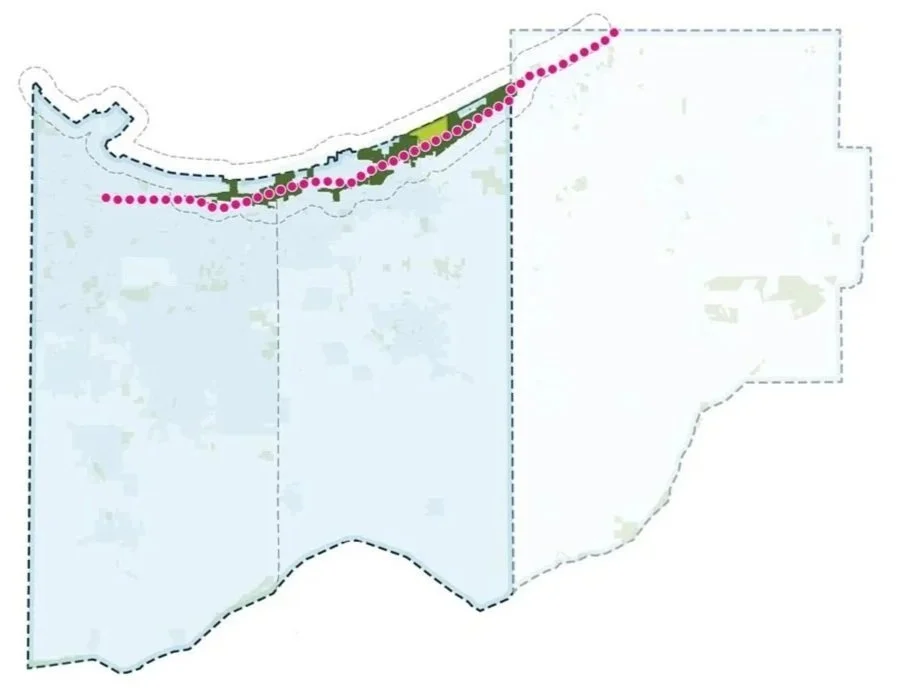
As identified in the RDA’s 2025 Comprehensive Strategic Plan’s National and State Parks strategy, the RDA is launching a regional initiative to advance the designation of U.S. Highway 12 as a scenic byway along the southern shore of Lake Michigan.
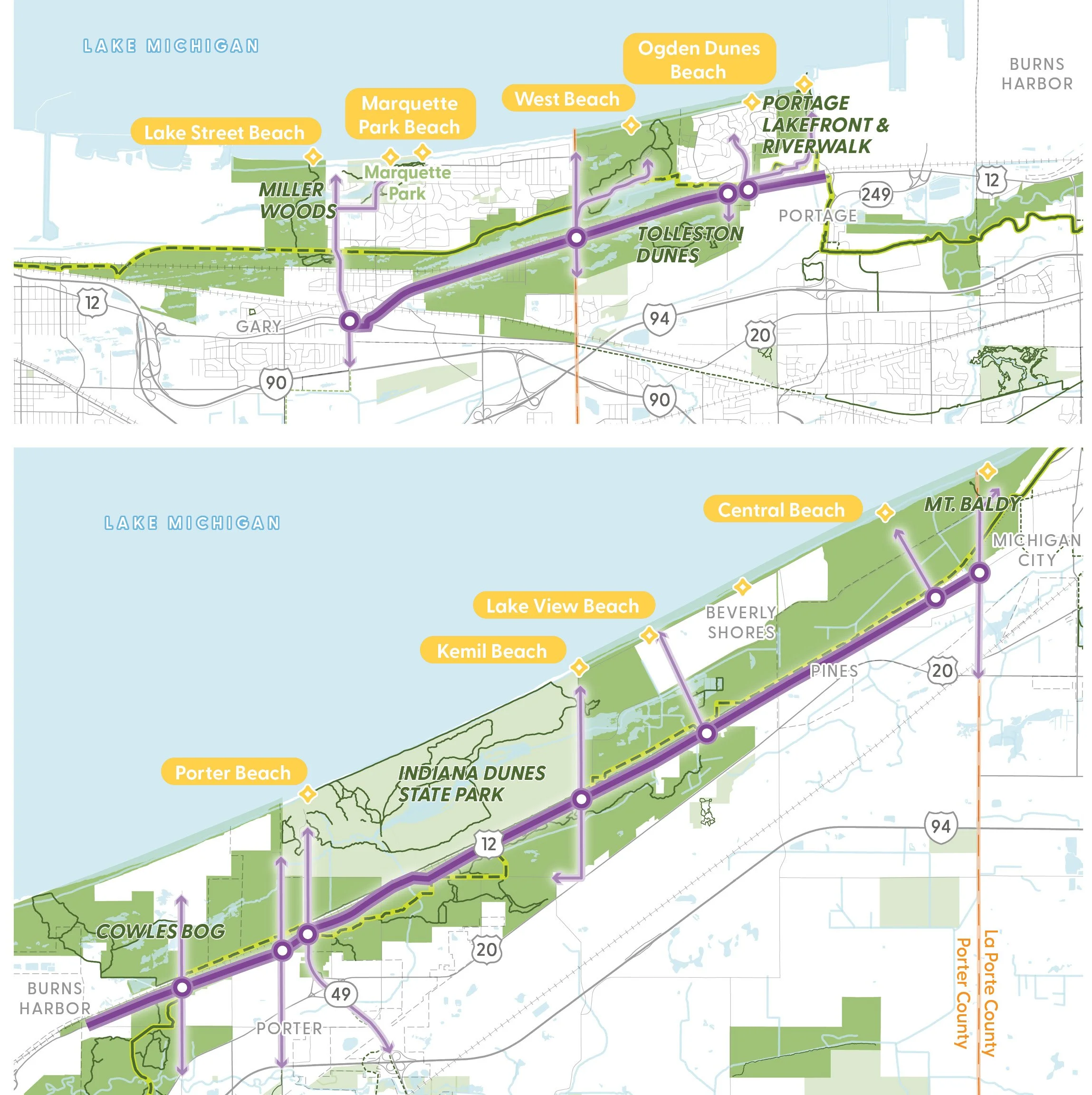
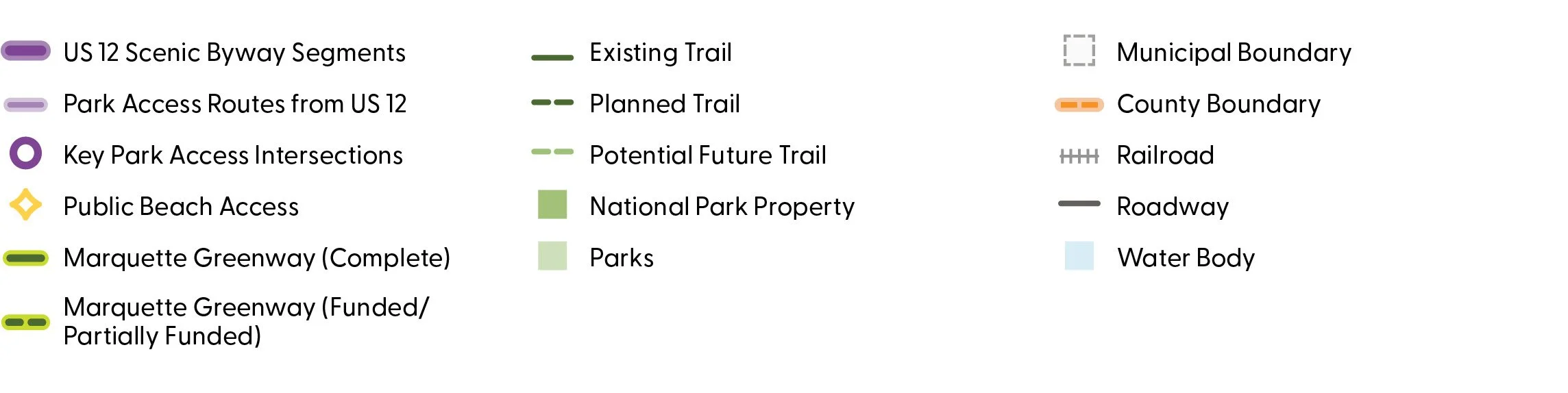
US 12 as a Scenic Byway
The US 12 Scenic Byway Initiative will bring two of Northwest Indiana’s most valuable natural and tourism assets – Indiana Dunes National Park and Indiana Dunes State Park – together with visitors, residents and local communities in a whole new way. The new Indiana Dunes National Park, the 61st in the nation, ranks 13th in annual visitation with more than 2.8 million visitors each year, while the adjoining State Park remains one of Indiana’s premier outdoor destinations. And all along the route are cities and towns with their own South Shore charm. From beautiful beaches to casual and fine dining to shops, entertainment, outdoor recreation and more, Indiana’s Lake Michigan shoreline is a unique destination, and US 12 is the gateway to it all. Establishing U.S. Highway 12 as a Scenic Byway will highlight the natural beauty and tourism potential of the Indiana Dunes while supporting local communities and businesses.
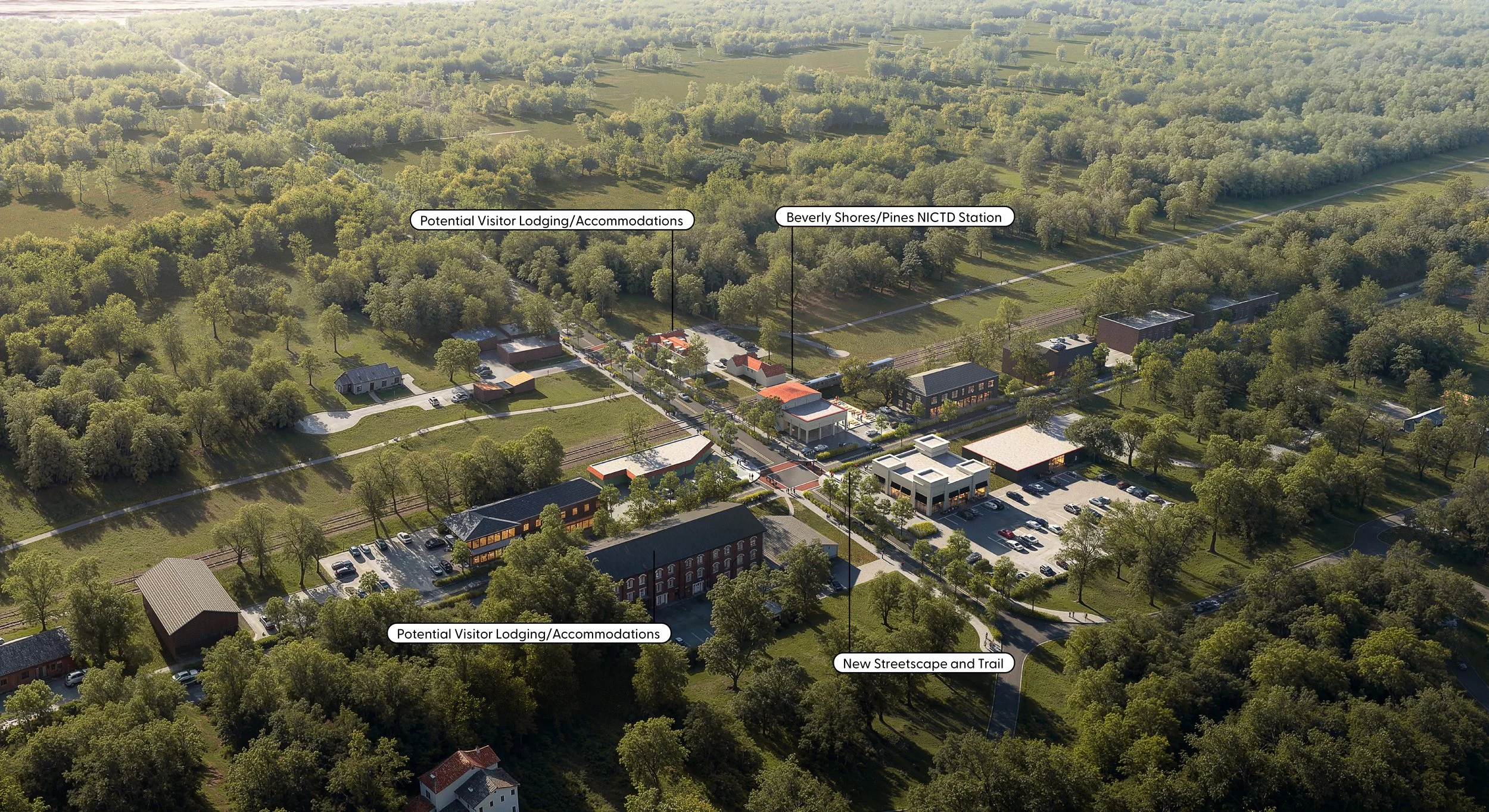
In parallel with this initiative, the RDA will work with the municipalities along the shoreline to improve and augment iconic entrances to the National and State Parks. These enhanced access points will improve visitor experiences by providing contact points for support services such as outfitting, retail and lodging that will benefit visitors and residents alike.
Tourism Impacts
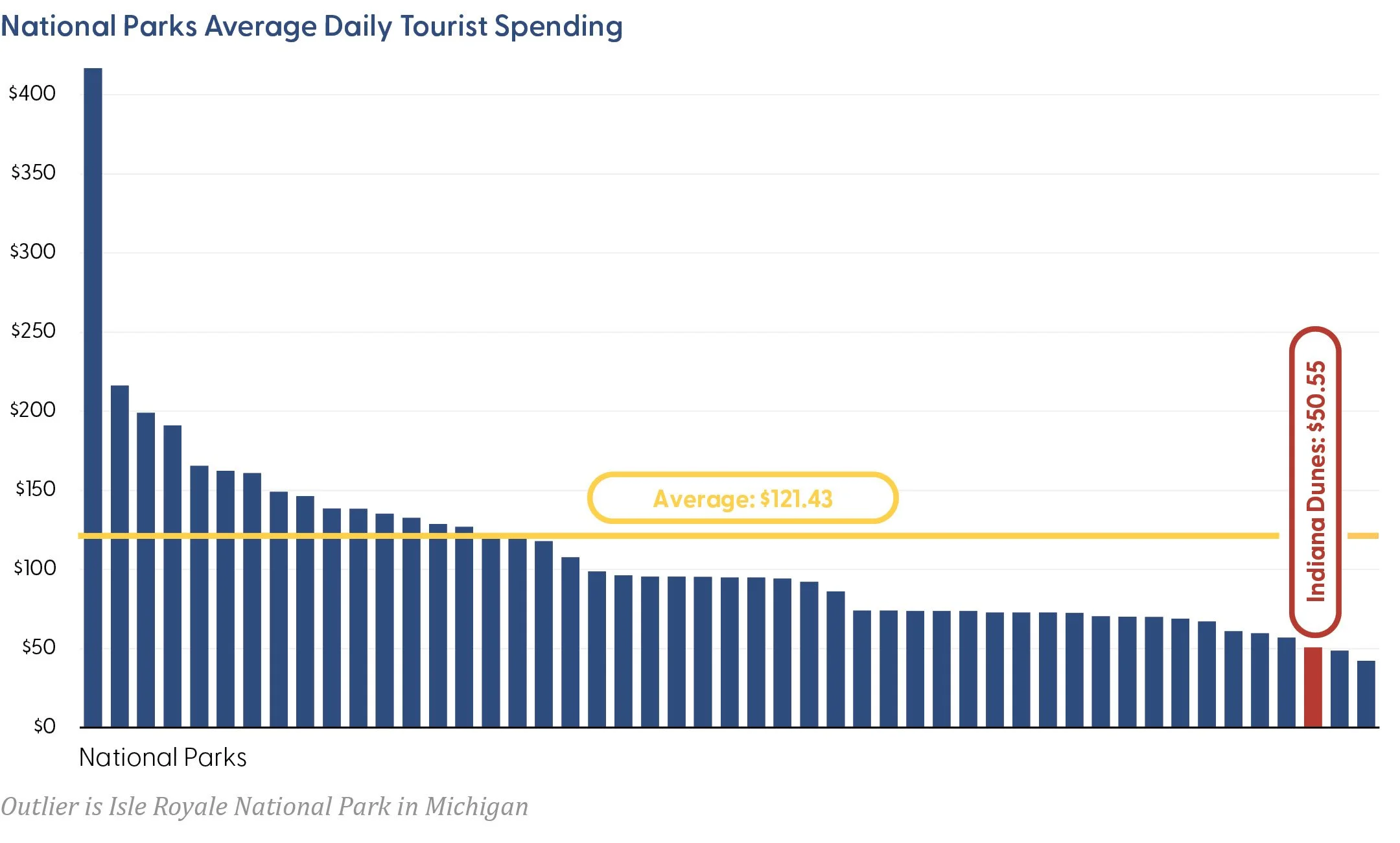
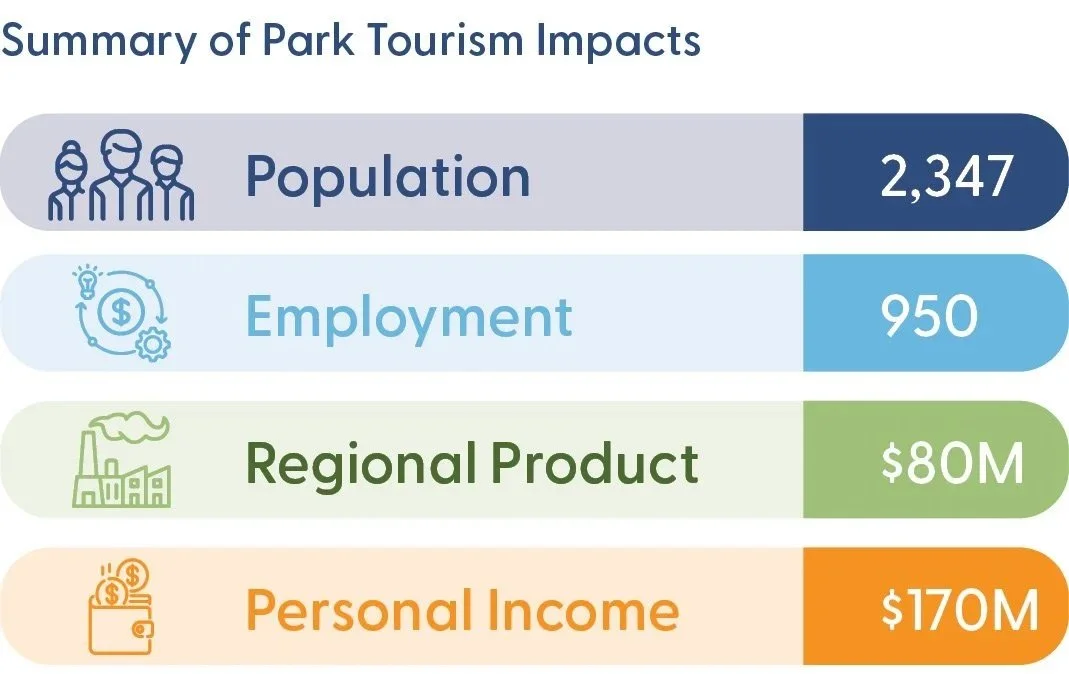
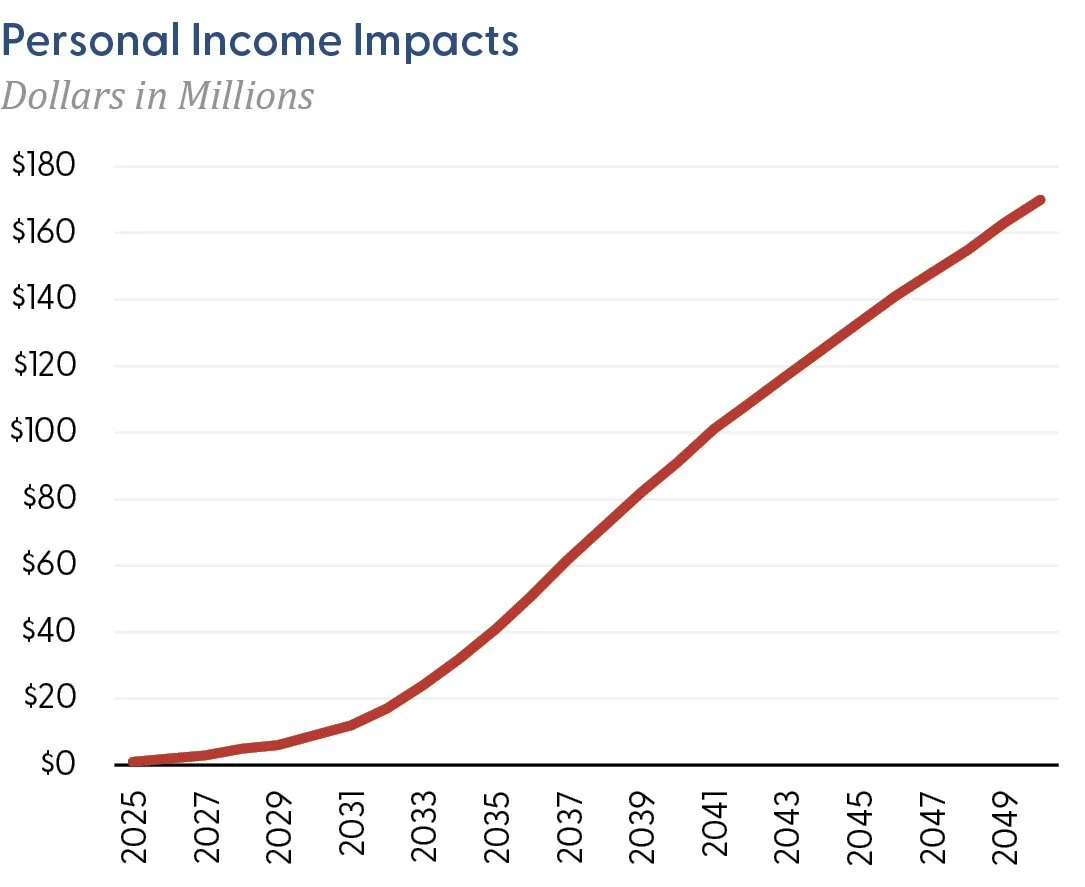
Increased tourist visits and tourism spending at the Indiana Dunes National Park is estimated to produce $80 million above baseline economic output (GRP) by 2050 in Northwest Indiana, supporting over $170 million in personal income. The increased tourism demand is also estimated to create over 900 jobs and attract 2,350 residents to Northwest Indiana.
Scenic Byway Designation
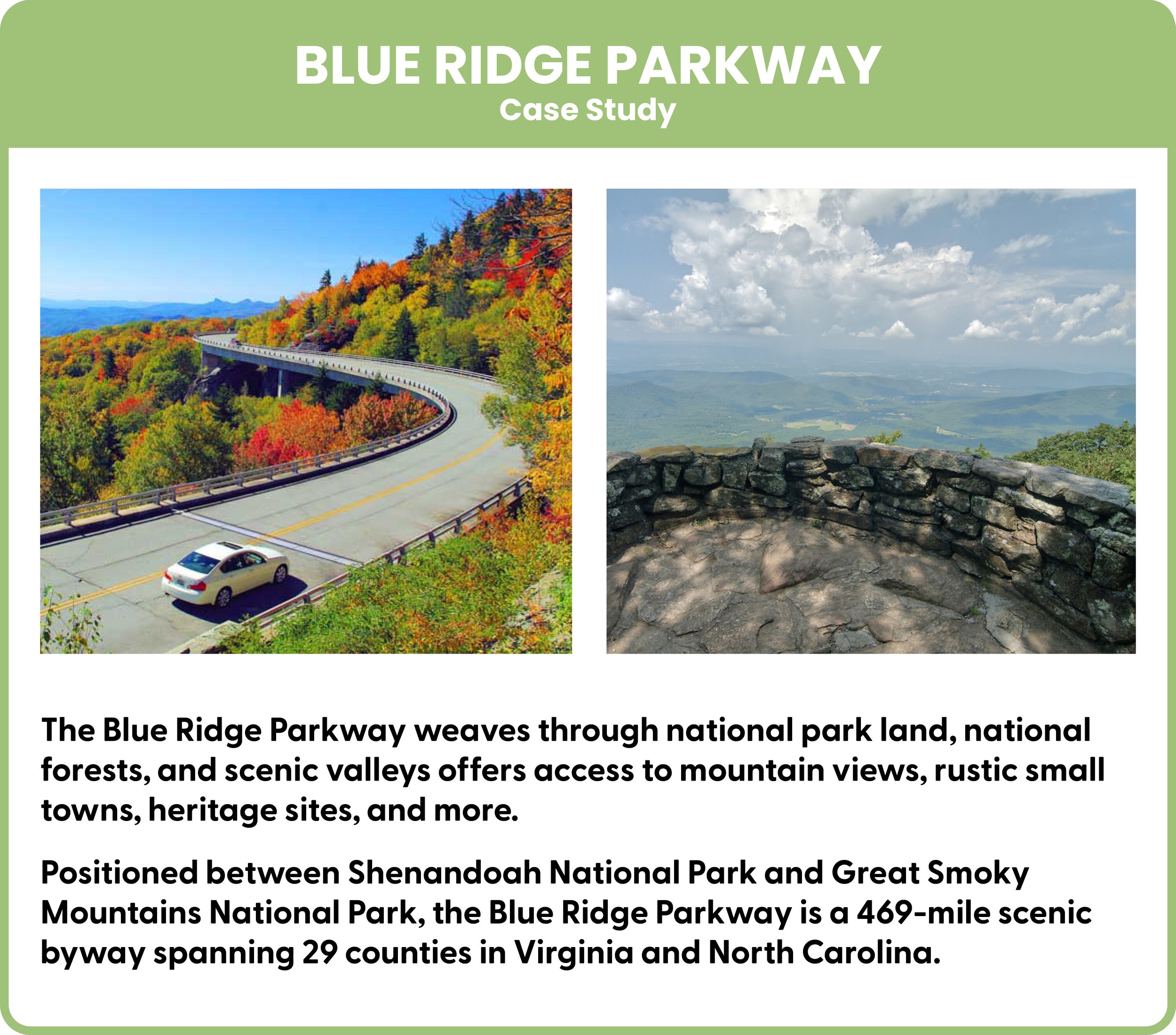
The National Scenic Byway Program is a voluntary, community-driven initiative administered by the Federal Highway Administration (FHWA) to recognize, protect, and promote America’s most exceptional roadways. Roads designated as National Scenic Byways must demonstrate one or more of six intrinsic qualities—archaeological, cultural, historic, natural, recreational, or scenic—that together create a distinctive and memorable travel experience of regional significance.
To learn more about the FHWA National Scenic Byway Program and read about other case studies across the country, visit: https://fhwaapps.fhwa.dot.gov/bywaysp
The Indiana Byway Program has been in existence since about 1997 and is designed to preserve, protect, enhance and recognize transportation corridors of unique character. These corridors are notable examples of our nation's beauty, history, culture and recreational experience. More than just scenic highways, byways possess the outstanding qualities that exemplify the diverse regional character of our nation. Because Indiana wants byway designation to mean more than identification by a sign, the Indiana Program emphasizes the same intrinsic qualities used under the federal program. Indiana has been recognized as a leader among multi-state byways.
For more information visit: https://www.in.gov/indot/public-involvement/public-involvement/planning-efforts-at-indot/indiana-scenic-byways/
RDA's Comprehensive Strategic Plan
More details about the scenic byway initiative and the 2025 update to the RDA’s Comprehensive Strategic Plan can be found at: https://www.nwitdd.com/rda-strategic-plan
US 12 Today… and Tomorrow
US 12 is the primary means of experiencing the lakefront amenities by car and acts as the “front door” to the Indiana Dunes National and State Parks. Maintaining and improving connectivity throughout the parks, and between local communities, is key to generating ongoing economic growth in the region, and US 12 is a key route to accessing these assets.
As part of the US 12 Scenic Byway Initiative, the RDA will also study opportunities to expand access to the parks, lakefront and local communities via all modes of transportation. These include the South Shore commuter rail, bus or shuttle service, bike paths and walking trails, as well as vehicles. Expanding all types of transportation access is critical for fully realizing the potential of the shoreline.
Other benefits of the initiative could include scenic vistas, educational experiences, and signage and wayfinding.
The variety of land uses along the shoreline and the US 12 corridor generate both personal vehicle and freight truck traffic in the vicinity of the national park, particularly in Gary, Burns Harbor, and Portage where more industrial uses still exist alongside national and state park property. The US 12 Scenic Byway Initiative will work with local stakeholders to explore ways to mitigate semi-truck traffic on US 12.